

A few weeks ago I was wandering through the stalls of the Ptichka market looking at tables of wares spread out for sale. Ptichka (Птичка in Cyrillic) is a bazaar style market whose name means “little bird” for reasons that are totally unknown to me and likely lost to time. It’s a place to buy electronics and spare parts - but not consumer electronics in the main, more like parts for washing machines or components for home projects. Moldova’s a bit of a Macgyver nation so there’s always demand for things like this.
What I was looking for was a spring, the kind that you use as an automatic closer on a screen door. I had just built and installed a light weight wooden door in my village house and wanted a way to get it to close automatically. I found a woman selling such things and bought a spring for 40 lei (~$2). Happy with my purchase I turned to leave but the vender across the aisle gestured for my attention and told me she had a better spring for sale - one that had been made in the Soviet Union.
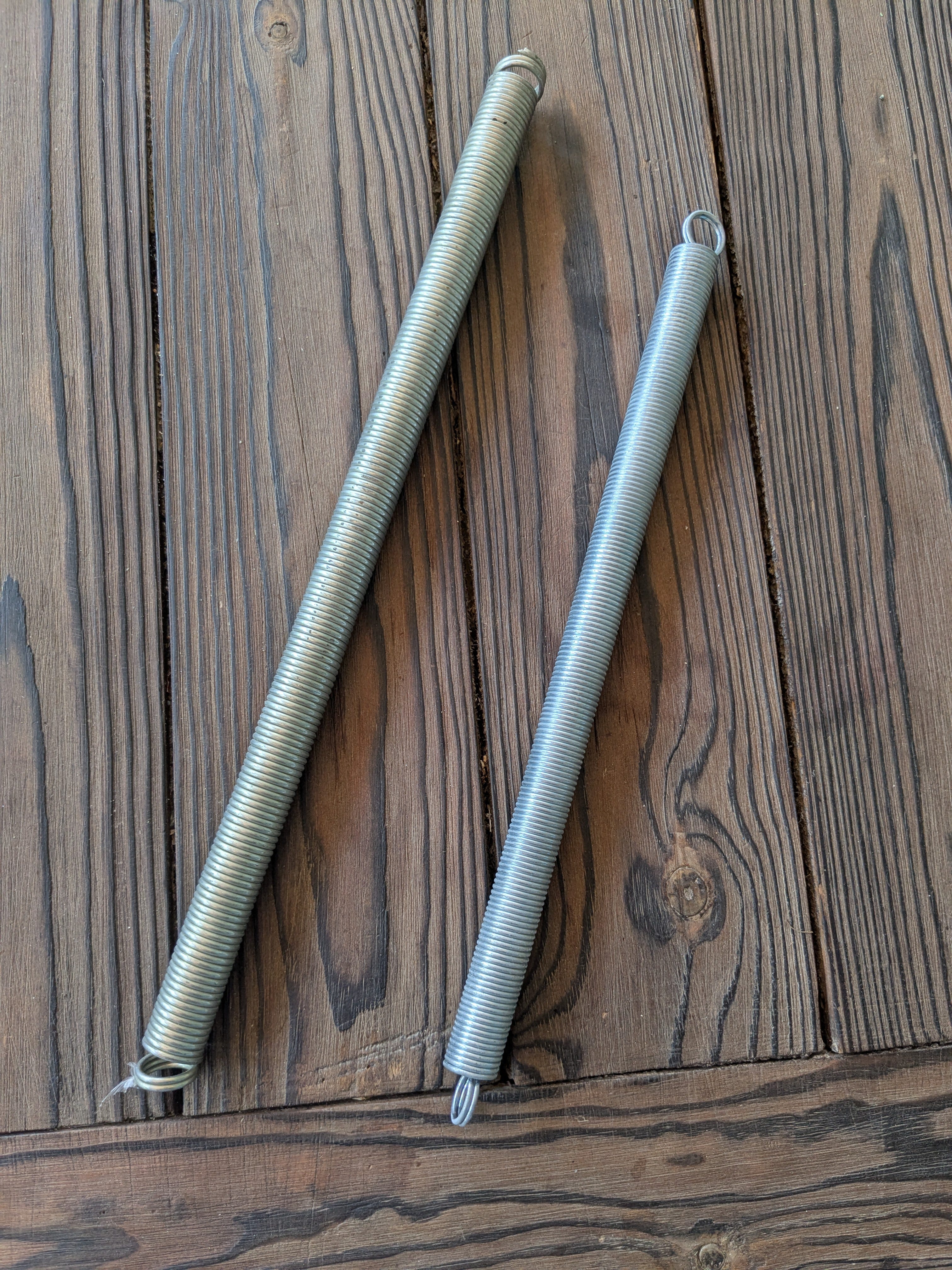
This spring cost 50 lei, around $0.50 more, and so I bought it too - you never know when you’ll need an extra spring1.
The whole encounter got me thinking about these little, unsexy relics of empire that you find everywhere in a country like Moldova. One interesting example relates to old cars. Right at the end of my time as a Peace Corps Volunteer I bought a red Lada which became my mighty steed for various projects and road trips over the next 5 years or so.
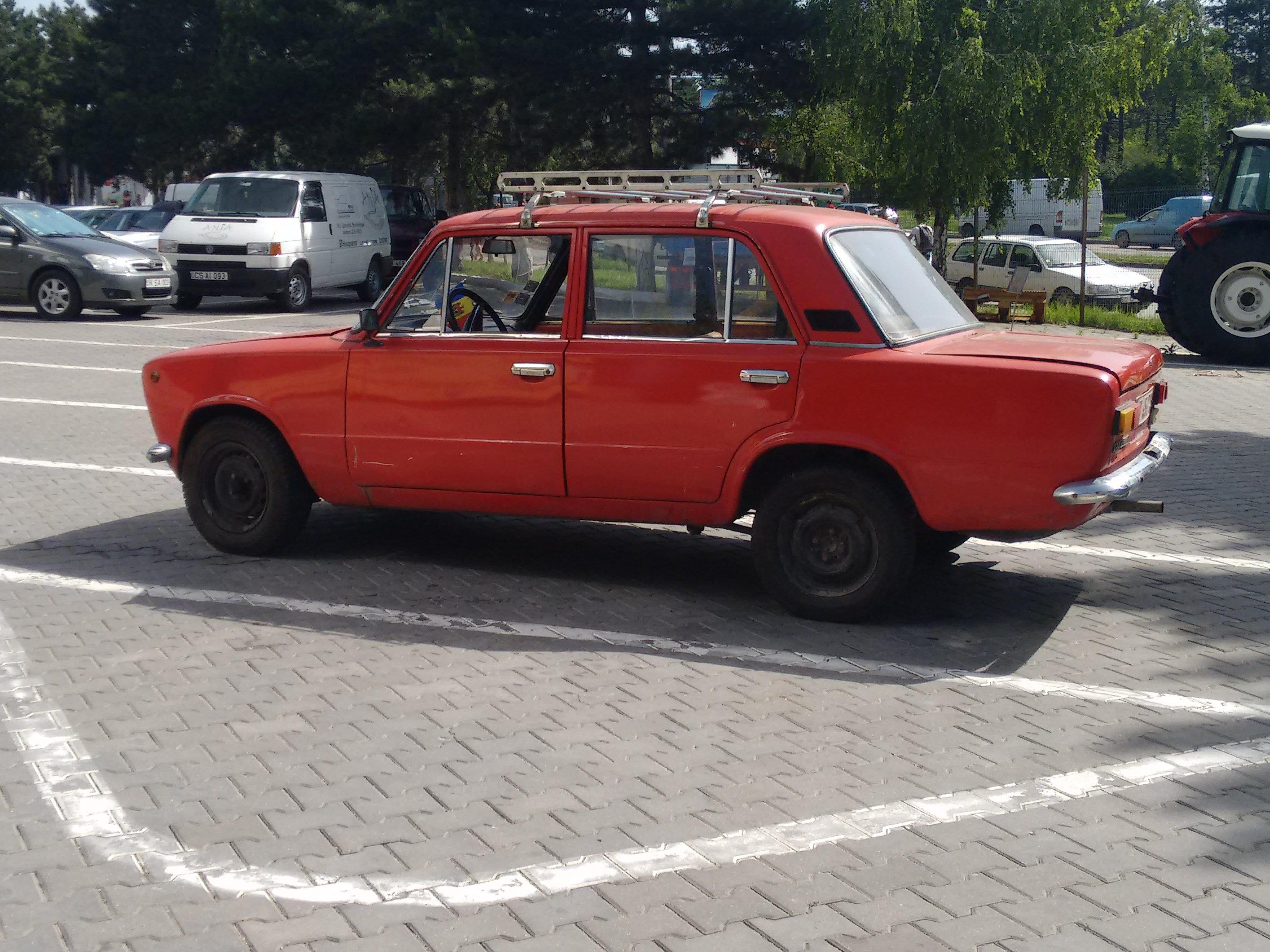
The car itself was a sort of relic of a bygone era - it was made in 1986 but the Soviets, later the Russians, manufactured the car with almost no real changes from the late 70s up until 2012. But besides the car itself there was always the question of parts - a car like this needs a *lot* of parts.
When buying parts for a Lada there’s a basic conventional wisdom. If the part is made in Russia now, it’s shit. If it’s made in Ukraine, it’s a bit better but still not great. On the other hand, if you go and find a Soviet made part from the junkyard it’ll run forever.
There are a few reasons for this actually - the first being that Russians do not make quality goods these days. The reason that Soviet parts were better is that *everything* was over built in the Soviet Union, largely because it was under engineered. It takes a certain amount of science and engineering to know how long a voltage regulator is going to work for. Rather than do that work, they just built one that was much larger or more powerful than needed and called it a day. You can kinda see where the Soviet Union’s economic problems and competitiveness issues came from here.
This kinda thing extends far beyond cars of course. When I first moved into an apartment in Balti during my Peace Corps service one of the first tasks was to install a shower head and faucet set. None was there, so if I wanted to wash this was rather important. I went to the market, bought a set and installed it that day. Around 1 week later the valve thing that directs water between the bathtub spout and the shower head broke off while I was showering spraying water in every direction. The actual metal valve thingy shot off and landed on my toe. Initially I thought my toe was broken but it mostly just bruised and recovered ok. I went back to the market and asked the seller some semi-polite version of “what the fuck?” He just smiled and said that I had bought a Russian made shower set. It was made of cheaply coated iron and basically had an expected lifespan of “not long.” He then offered me a Ukrainian made set for a few bucks more with brass valves. I bought it.
The thing is, lots of buildings still have their old Soviet plumbing and it works “fine.” It’s ugly, and probably never really worked great to begin with, but it’s still there.
None of this is an advertisement for Soviet cars or appliances - most of these products were pretty terrible. But they were built to last. These days people always complain about how things don’t last as long as they used to2 and it’s not a sentiment unique to Moldova. But what is a bit unique in this part of the world is the point of reference. The fall of the Soviet Union was a dramatic break in the timeline of most people’s lives. Things unambiguously got worse in the 1990s - from job security, to health, to infrastructure and even to springs. It’s taken a long time for things to start getting better again. Now, even as most things have unambiguously improved a lot, people still think back on the days that even the humble spring was made better than today.
In the end, I chose to install the new spring. I liked how it had more practical hooks and didn’t require me to mess around with pliers to create mounting points. But I know, if it breaks one day, I have a Soviet backup in the drawer.
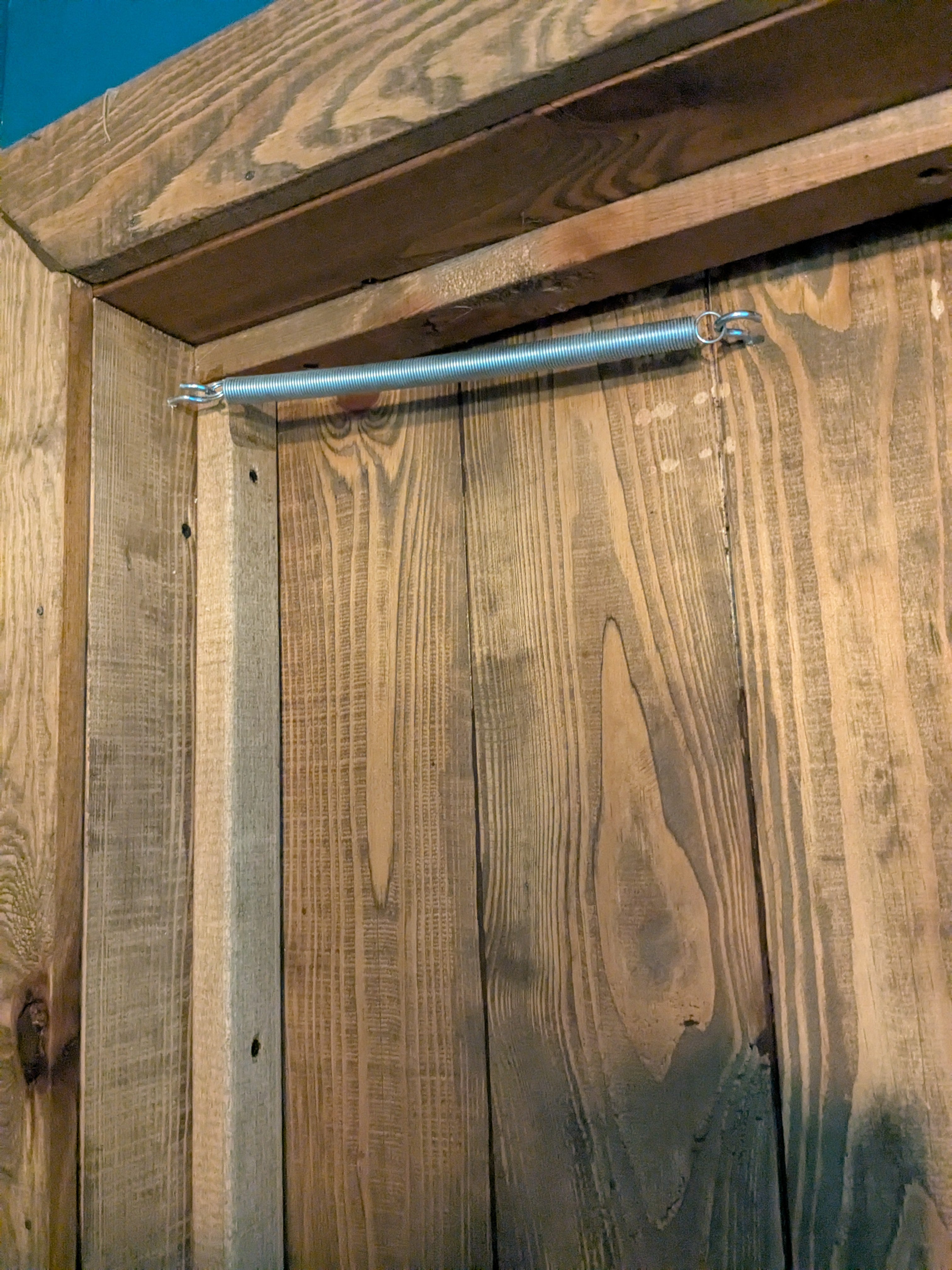
I can hear my wife groaning at that last sentence and preparing to ask me just when we’ll benefit from all the treasures I’ve been gathering over the years.
Complaints that might be a bit overblown according to Wirecutter
If you will forgive the diversion...
I used to really like the Chisinau craft market in Mihai Eminescu Square, before they redeveloped it.
It was a great place to find old badges and medals from the Soviet space program, (Good linen too). I don't suppose you have any idea where these people went? I've poked around the market by the train station with no luck...
Great article, David. I had a very similar experience when buying chains for my car in Tbilisi. After speaking with many of the vendors, I was convinced to buy some Turkish chains which they claimed were modern, light-weight, and (supposedly) reliable. After less than 5 minutes in the Georgian countryside they broke. The next week I was back in Tbilisi, so I went back to the market and demanded an exchange for some older Soviet ones. They weighed a ton, but they worked fine the entire time I needed them.