
In a recent article for Moldova Matters I found myself quoting Lenin. Specifically, I reflected on the probably apocryphal quote where he allegedly said:
"There are decades where nothing happens; and there are weeks where decades happen" - V. I. Lenin
Certainly anyone following the news in 2025 will get the basic premise. Every now and then “events” seem to radically accelerate and fundamentally challenge our assumptions about how things are supposed to work. At times like these I find myself reflecting on the idea of impermanence. On the fact that we often anchor ourselves in ideas and worldviews - big and small - that are far less certain than we believe.
Today I’m going to share a few of my thoughts on this idea and reflect on how sudden changes in my life have wound up being very formative for me. Sometimes they involve a silver lining, many times they do not. This isn’t an essay arguing that unpredictable change makes us better - only that it is inevitable and we must learn and adapt from it.
I changed the name of this newsletter to Fools & Foreigners to reflect a saying that I developed back while I was serving in Peace Corps Kazakstan in 2011. As one problem or another came up I found myself reflecting a lot on how “The best-laid plans of mice and men often go awry.” Eventually I updated this to my own little saying - “Plans are for fools and foreigners.” Americans on balance tend to be punctual people who like to keep a professional schedule. That isn’t always the case in other cultures.
I vividly remember showing up to teach my 5th grade class in Kazakstan one day only to find the students field-stripping AK-47s in our classroom. “Something came up” and English class was canceled that day. I later found that they were competing for a regional “army class” championship and someone decided they needed more practice with automatic weapons before the competition. In another case I had a class canceled because the school principal sent word that the 6th grade would be responsible for the “ice sculpture” at a teacher’s retirement party the following day. No one knew how to make an ice sculpture so classes were canceled, parents called in and an ad-hoc committee was formed to deliver the principal’s edict1. One mom worked at a bakery that had chest freezers and with that knowledge they somehow solved this crazy problem step by step. Little things like this teach you to be flexible. Bigger interruptions just underline this lesson in red.
Balkhash Kazakstan, November 2011
I arrived in Kazakhstan in March 2011 prepared to serve as a Peace Corps volunteer in that country for the next 27 months. Nine months later I was heading home as Peace Corps evacuated from the country and the program closed.
In the lead up to the evacuation things were not going well for the Peace Corps post. I’m not going to dive into the story of what happened in this article. If you want an overview of the demise of Peace Corps Kazakstan and some of the still unanswered questions you can see this excellent 2017 article from my fellow volunteer Casey Michel. Suffice to say there were clearly massive problems and at least some of them seemed to stem from our northern neighbor (*cough* Russia).
Still, the day that I and the other approximately 100 volunteers spread around the country, got a phone call telling us that we were getting out it was a shock. Kazakhstan is *BIG* and so the organization chose to pull all volunteers back to Almaty over the course of a few days and then host a short conference there ending our service and sending us back to the US. It took a few days to get to Almaty because the volunteers in the extreme north of the country had a 2+ day train ride to get to HQ down south. For someone like me in the center that meant I had a little more time to pack my things and catch a bus than some. What followed was a hectic couple of days trying to wrap up professional commitments and relationships, break apartment leases and gather up whatever we were taking with us to catch a train or bus.
For me, this involved heartfelt conversations with the English teachers that I worked with each day and goodbyes to all of my students. It involved hastily packing and lots of hard decisions about which mementos and gifts I would take with me - and how to discretely dispose of things that didn’t make the cut. I think I wound up with 50 miniature felt yurt models and clearly I was not going to be taking more than a few.
One night as we prepared to leave I gathered for dinner with some local friends and the other 2 Peace Corps volunteers who called Balkhash home. We talked about how abrupt it was to be told that you were fired, evicted and deported in a pretty short period of time. We talked about projects and friends we would be leaving behind and in general we felt pretty terrible about it all. When I left my friend’s apartment to head home that night I found myself walking by the kind of scene that could only happen in Kazakhstan. The Soviets liked to build 5+ story apartment buildings in areas that should have been small hamlets. The blurring of out of place urban construction with rural life often led to incongruities. In this case, it was a city dumpster out behind the apartment which was on fire. Someone had piled it high with an old mattress and chairs and presumably set it alight. Next to it a cow grazed peacefully under a starry night.
This all somehow fit my mood and I felt pretty down. As I walked home I saw a beer bottle standing upright in the middle of the sidewalk. In a bad mood I considered kicking it but thought better at the last moment. Lo and behold the bottle was unopened - and happened to be my favorite local beer. Little things can lighten the mood.
Ultimately leaving Kazakhstan resulted in the Peace Corps sending me onward to Moldova. After arriving here in 2012 I haven’t left and have made a life here. It goes to show that unpredictable events can have transformative impacts on your life - not always in a bad way.
COVID 19
Back on New Year’s Eve, December 31st 2019, I was riding high. Things had seemed to take a turn for the good and at my restaurant Smokehouse’s holiday party the feeling was optimism. Back in 2018 my partners and I nearly lost our restaurant business due to a major fight with corrupt officials following by the discovery of massive fraud by a number of our employees. It was not a good year and the business was brought the brink of disaster. 2019 was all about recovery - new team, new ideas and a slow fight out of debt. Also in 2019 I got married and most of my family from the US came out to celebrate with us. By the end of the year the restaurant was profitable and things were looking up. 2020 was going to be the first year of real profitability for our business and was looking to be our year. I guess you see where this is going…
It’s 5 years now since the lockdowns came to Moldova (and most of the world). I’ll always remember what an eerie feeling it all was. I had followed the news closely and the outbreaks in Washington State and Italy were clear signals that this thing was going global. Still, we really had no idea what to expect or what it all meant. People were scared and even though the panic buying2 hadn’t started yet it was close. On Tuesday March 10th 2020 the restaurant had its last normal working day. Tuesday was trivia night at Smokehouse and we had a jam packed house as people vied for the coveted free pitcher of beer. Wednesday, which was Wings Night, was also typically a big day for us, but business was down 25% on average. Thursday it fell another 25%. Friday the same and Saturday my staff called me at 10 pm and said that there wasn’t a single customer in the house. We sent them home and closed the restaurant to wait this thing out. Moldova locked down on Monday.
I don’t need to tell the readers how shocking and disruptive COVID was. In Moldova we watched along as late night shows were filmed from bathtubs and Lady Gaga tried to lift our spirits with a zoom concert. Navigating COVID restrictions while owning a restaurant was devastating and intensely stressful. We did delivery like everyone else and tried to continue with a skeleton crew. Eventually I realized that worrying accomplished nothing and that I needed better ways to fill my time. That summer I spent days and days in our company’s garage / workshop. First I fixed all of the broken chairs and tables that had stacked up over the years. Then I just started playing around and building furniture for myself. We had a few old wine barrels from a project that never went anywhere and they all turned into fun creations (with the help of Pinterest).


I also started Moldova Matters that winter, originally just as a way to sharpen up my writing skills and do something productive during the cold months. None of this is to say that COVID was great because we all figured out new hobbies and went on some unexpected career pivots. I remember it as a time of acute stress and helplessness more than anything. For Americans living abroad, the early days of COVID also presented a crazy choice - stay where you are or head back to the States. There was a feeling that the world was falling apart and you needed to react quickly to an ever changing reality.
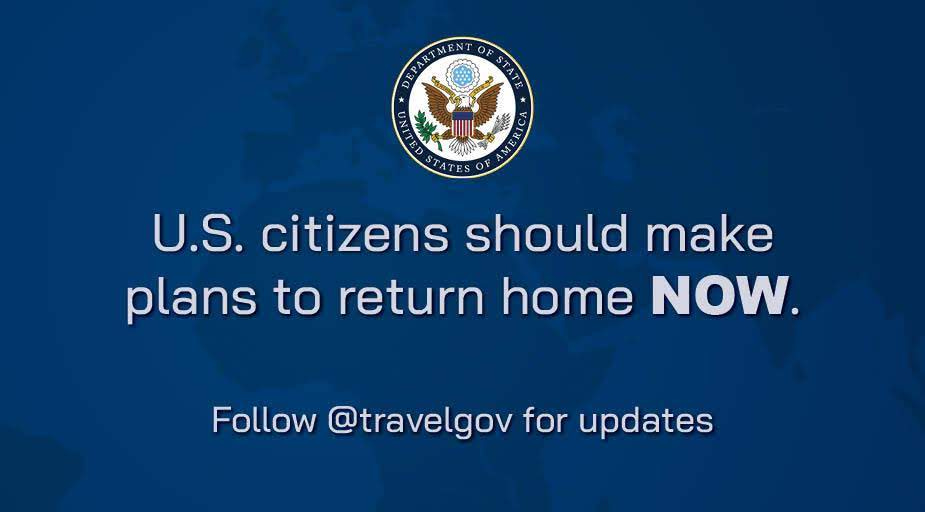
Looking at our theme of impermanence, COVID was for all of us a massive change in myriad different ways. For me it set in motion events whereby my restaurants were eventually closed / sold and my “career” started a roller coaster ride of pivots and changes. Ultimately this worked out well for me and I’m much happier not worrying about late night calls about how something or another caught fire. But in the process of change none of it felt good.
February 2022 - Invasion
At some later date I’ll return with longer reflections on what those early days of the war felt like in Moldova. If you’re interested I recorded a podcast about the topic back last summer (Part 1, Part 2). For our purposes I’ll reflect just on one aspect of that particular crisis - how impossible it is to predict something that you have no experience in.
In the lead up to the Russian invasion of Ukraine I was a bit of a Cassandra around Chisinau. I was more worried than just about anyone I knew about this thing really happening and largely bought into the idea that Ukraine would not be able to hold out for long. For Moldova, the city of Odesa was (and is) the lynchpin of the nation’s security and if the Russians besieged it I knew we would have to flee west. So in January and early February I made plans. I had important documents gathered, some things packed and a clear plan of evacuation. My wife has a big family and they weren’t overly worried about the war so I was also quietly planning for how we’d get everyone in cars and what it would mean to coordinate with a larger group of people.
When the war broke out this planning paid off. Most importantly I had thought out the triggering events that would require us to take action - most critically Russian forces’ proximity to Odesa. So while people woke up to a new reality and began to panic I pulled out my plan and told friends and family to calm down and watch southern Ukraine. Even under the darkest scenarios I knew we had a few days and even then I personally believed that Odesa would put up a fight. Thankfully the Russians never even got that far and were turned back outside of Mykolaiv after fierce fighting.
In all my thoughts and plans I *never* considered what actually occurred - a massive influx of Ukrainian refugees in the first days of the war. Thankfully we didn’t have to evacuate - but in all my planning I hadn’t considered all those who would flee from the Russian onslaught. Luckily, the planning I did do gave us breathing space to see what was happening and ultimately play a role in the refugee relief effort.
I don’t know why I never saw the refugee crisis coming. It seems so obviously now but I had never lived through a war before. We all have a bias to see the world through our experience. When changes happen we can model a few variables out in our heads - but we have enormous trouble imagining everything changing at the same time. Once again, just a few years after the pandemic, the whole world changed and we had to react on the fly. I find no silver linings in this change. I can only say that the more we are confronted with crises the better we learn to model out the variables in our heads and make plans. We become resilient and adaptable in ways we would not previously have imagined.
Maybe most importantly we become humble and more willing to acknowledge the experiences of others who have gone through major changes before. Europe has learned to listen to the warnings of their eastern neighbors. Perhaps Americans will be able to listen to the warnings of some of the people who have decades of experience fighting autocracy around the world, and until recently worked for USAID.
Today - America is Changing
It’s impossible to honestly summarize all the changes going on in the world right now. Anything I would try and write would be hopelessly out of date in a month’s time. Just over two months ago Donald Trump took the oath of office a second time and was sworn in as President of the United States. Not a day has gone by since without some momentous shockwave being sent around the world.
In January the United States was maybe the most important single national partner for Moldova. The EU was more important in a sense but both in terms of engagement and capacity couldn’t really support the country the way the US did. From USAID projects working to build energy infrastructure to broad diplomatic engagement, America was a rock-solid friend to Moldova. Development grants supported the work of local NGOs and independent media organizations. These projects helped grow Moldovan civil society support the country’s young democracy. As Russia waged a hybrid war against the country and sought to topple the elected government America was there providing expertise, financial support and diplomatic heft to the project of defending democracies against a murderous tyrant. Two months later things look very different.
USAID is gone. Globally the organization has been eviscerated and dismantled. The suddenness of America’s pullback from world leadership caused shocks big and small. Germany is rearming and European nations cheer this fact - a shock in itself. Lots of civic groups in Moldova suddenly lost funding or were not paid for services that were already delivered. People lost their jobs in a heartbeat - both Americans working in Moldova and Moldovans who worked with them or who benefited from USAID’s support. Now it isn’t even crazy to wonder whether or not the US will pull its embassy out of Moldova as part of a global retrenchment. Radio Free Europe was defunded and the future of that venerable and trusted institution is uncertain (at best). Russia, and pro-Russian groups in Moldova are ecstatic. The self destruction of American soft power in the world is beyond their wildest dreams.
As an American living in Moldova outside of the diplomatic bubble this all feels “eerie.” Like some fundamental element of our world just ceased to exist. Lots of people - Americans and locals - fear the consequences of talking about these changes. Maybe they’re waiting for a last paycheck to clear, or maybe they just don’t want to opine on a situation that changes so quickly. Whatever the case, there is a silence where furious activity used to be.
Recently I joined a friend for a weekend drive around the Moldovan countryside. He has a fascination with Soviet-era mosaics and so we bounced between pins on the Mosaics of Moldova map looking at old relics of empire.
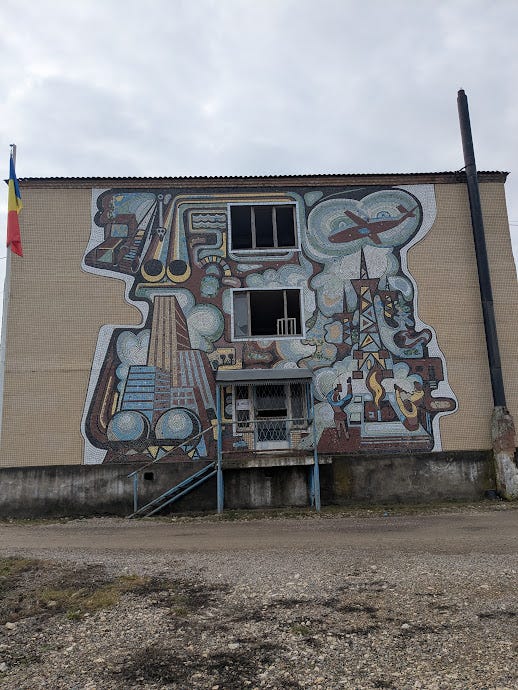
As we drove around I couldn’t help but notice signs on water towers and infrastructure projects - “From the American People USAID.” It’s a stark reality of our time that people in the future will look back at these fading signs and recognize a different age. Something that once was and is no more.
Life is Change
Sudden, dramatic changes can cause lots of emotions. In these times I feel a sense of sadness, loss and bewilderment. It’s confusing to try and understand where this is all going. It’s also eerie to realize that something you took for granted is simply gone. We need to learn a few lessons from what is happening. I won’t presume to know what they are all now, but I know a few things. Change happens and our ability to adapt to it and move forward makes us stronger. As individuals there can be silver linings - new opportunities or just a set of experiences that will harden us for future crises.
As communities though we need to take another lesson. Our world is not set in stone. The fundamental structures, ideas and assumptions that underpin our lives can change. But they don’t simply change themselves. We change them. After suffering through a pandemic and seeing Donald Trump on TV talking about injecting ourselves with bleach we reelected him. I don’t know why. Maybe some people wanted an even greater global crisis. If so - here we are.
Whatever the reason for certain past actions the lesson though is simple - we have a lot of agency here. Anyone who says that voting doesn’t matter because all politicians are the same was always wrong. They are being proven wrong now. European leaders are meeting almost daily to figure out what to do. These choices will also shape the world. The opinions of Europeans who call their politicians and let their voices be heard will matter a lot in shaping the new global order that is to come. Americans also have agency as the country slides into authoritarianism. Change happens - but we can all affect it.
My experience was that school principals in Kazakhstan were treated like god-kings. Their word was law and could rarely even be questioned. Whenever our principal gathered the teachers together for a conference she would yell or proclaim various things for around 45 minutes and then just leave for her palatial office. So, “build an ice sculpture by tomorrow,” was answered by “yes ma’am! who should it represent?”
For some reason that I will never understand Americans panic bought toilet paper. In Moldova people panic bought buckwheat. This country has seen famine before within living memory and families know that you should keep your cellar stocked with jars of pickles and veggies and a good supply of grains. Buckwheat is preferred because it has a mix of nutrients that is far superior to say, rice, and will sustain you a lot longer. I don’t know what America was worried about but I know that Moldova reacted out of habit and in reaction to old fears.
Reading a recap of your life is a little bit like reading a bit of a recap of all of our lives. They eventually intertwine in ways we'll never imagine. Thank for the share, a little bit of perspective goes a long way.
This was a very meaningful recap all the tremendous change you and the world have experienced in the last 15 years. Change.. Yep. We're going somewhere now. I just hope it's ultimately a worthwhile destination. Cheers, my friend!